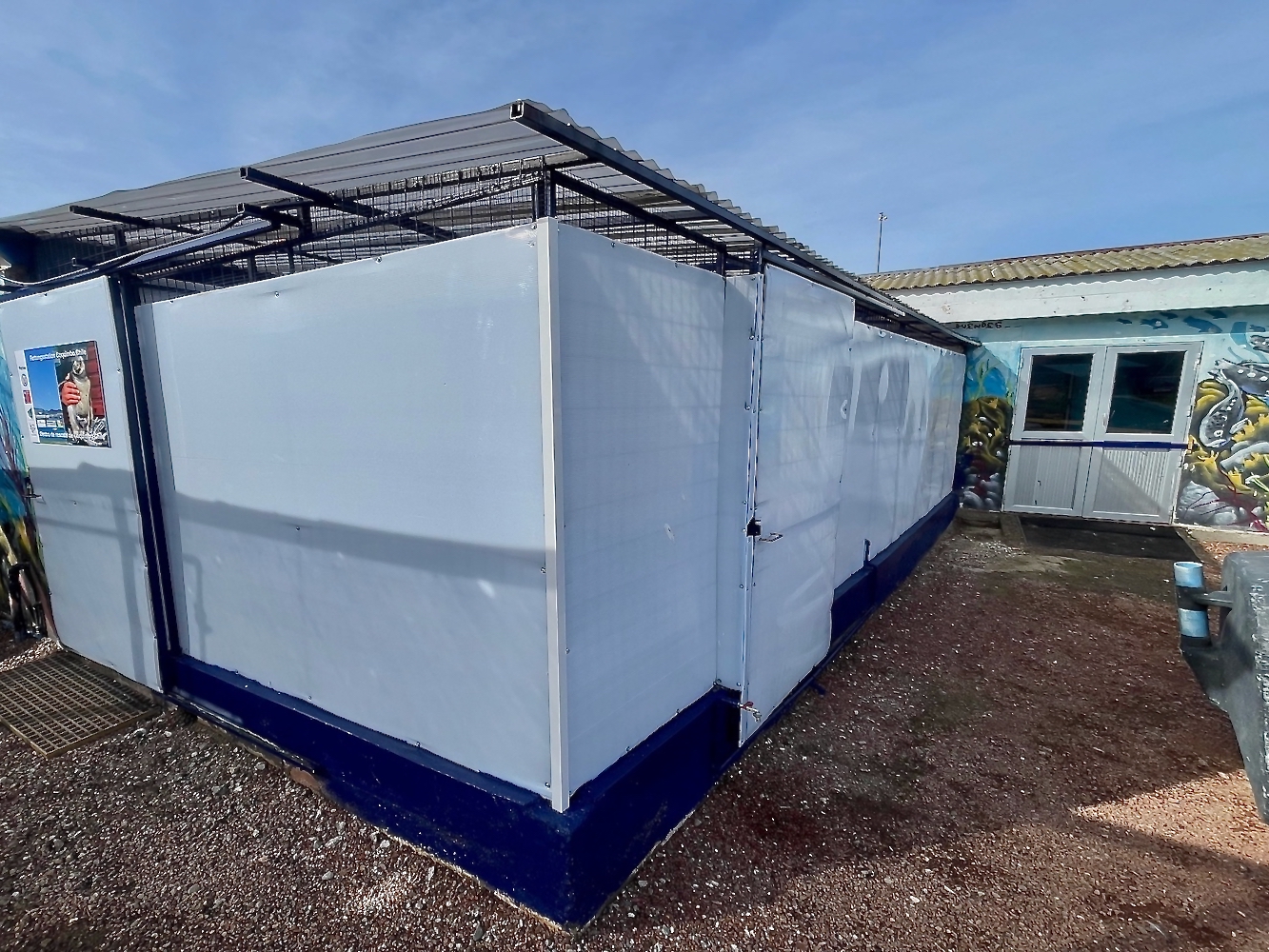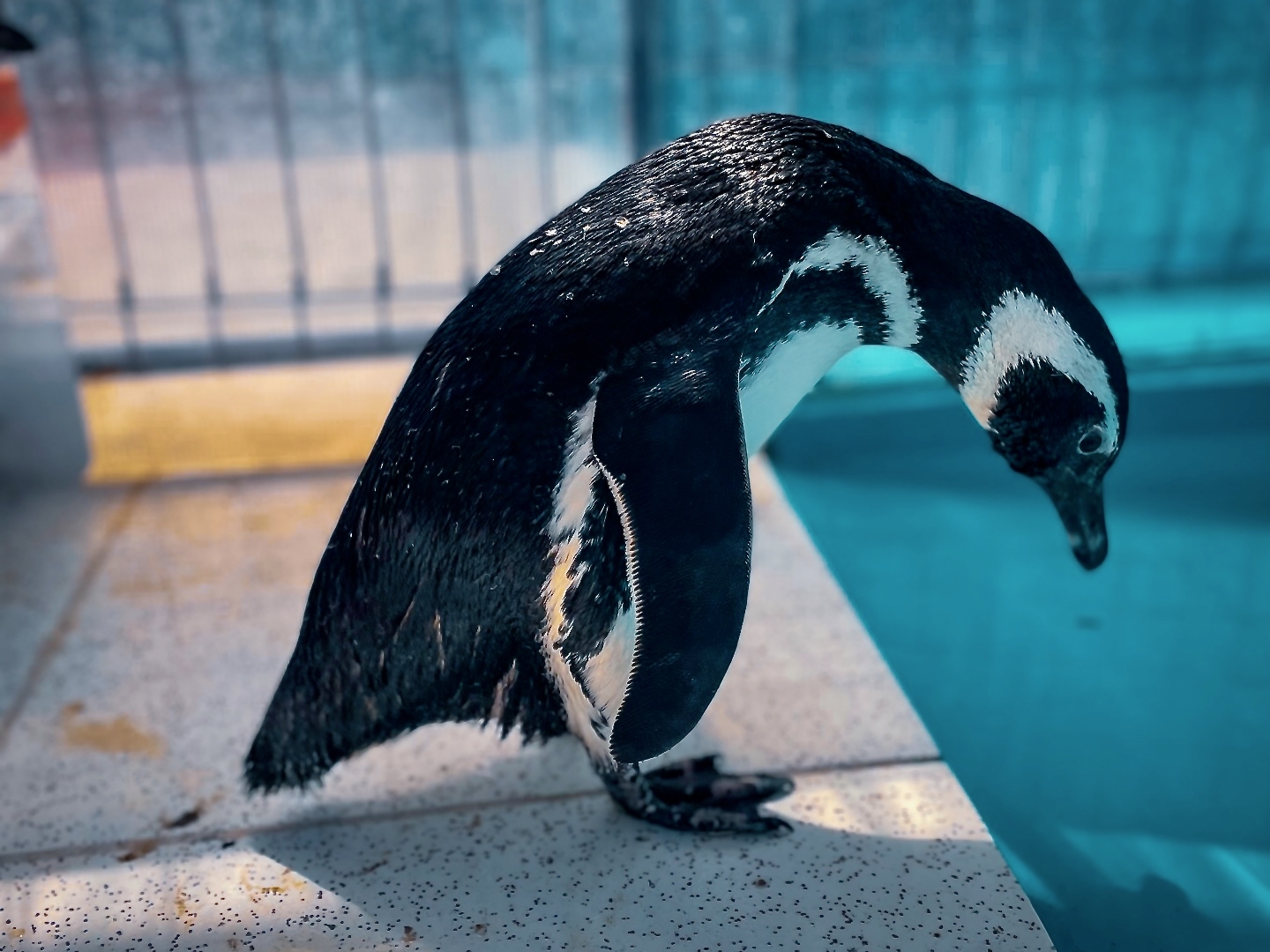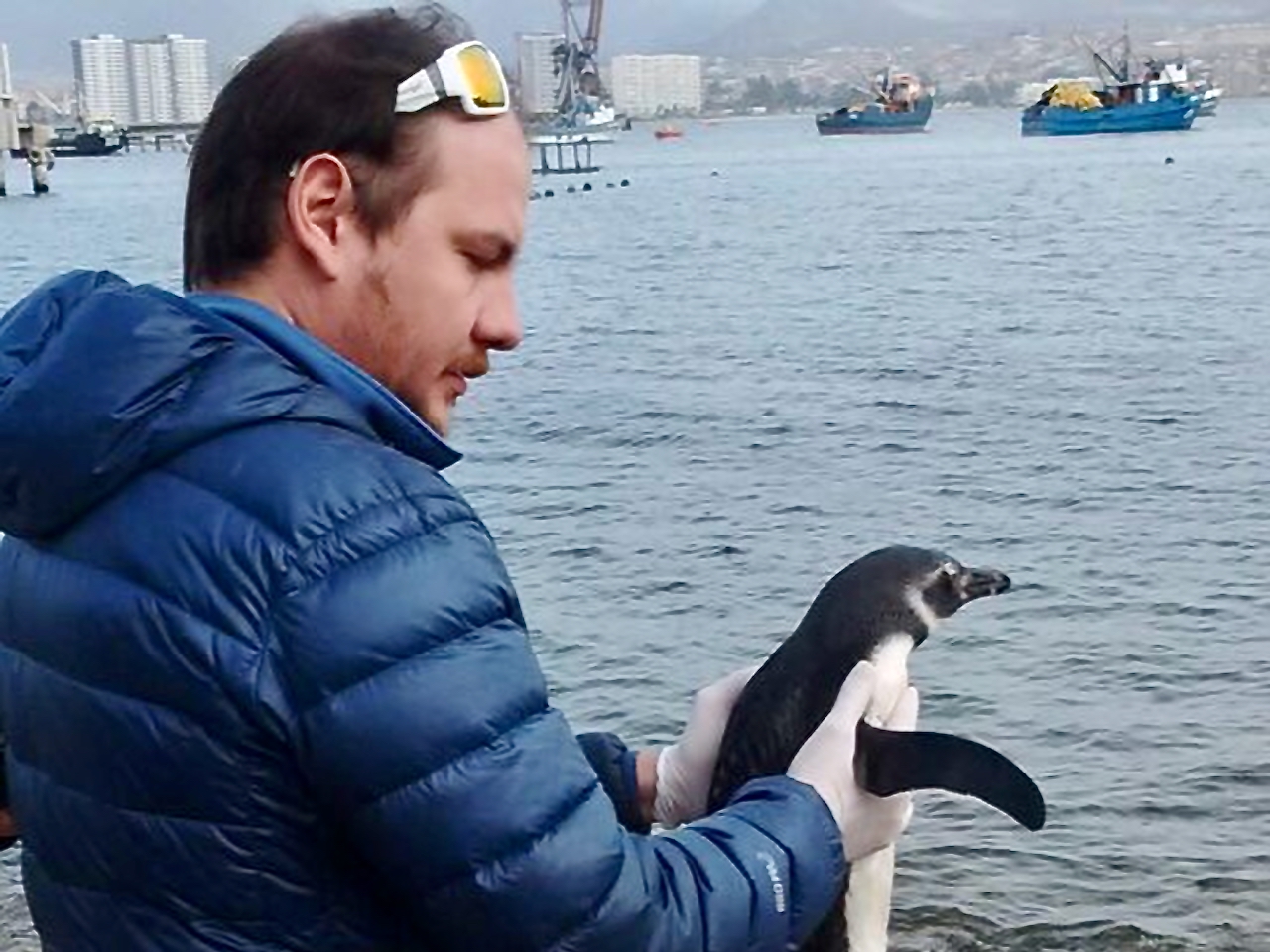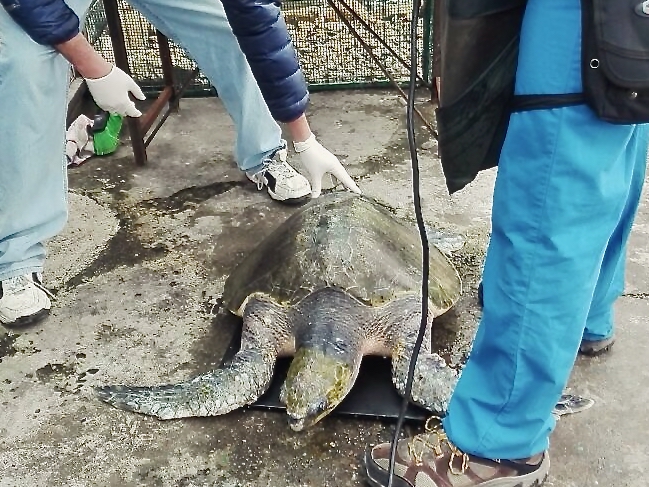
Landau, April 21, 2026. Since August last year, the marine rescue center in Coquimbo, northern Chile, has been caring for injured and sick marine animals. Sphenisco has repeatedly reported on the project’s progress, most recently on December 6, 2025, and January 25, respectively January 2026. The center is jointly operated by the Universidad Católica del Norte (UCN) (1), Sernapesca (2), the NGO Conservación Humboldt (3), and Sphenisco. The sick marine animals are cared for by veterinarians and animal caretakers of the NGO Conservación Humboldt. With support from the zoos in Dresden, Frankfurt, and Halle, Sphenisco financed the renovation of the station and covered the operating costs for one year. In early April 2026, Conservación Humboldt submitted, as planned, the second report—covering the period from December 2025 to March 2026—on the progress of the project (4):
Summary
During the reporting period, the “Conservación Humboldt Rescue Station” consolidated its clinical, scientific, operational, and institutional development. Injured and sick marine animals received continuous care, the infrastructure was further improved, public outreach efforts were launched, and scientific insights were gained for practical application.
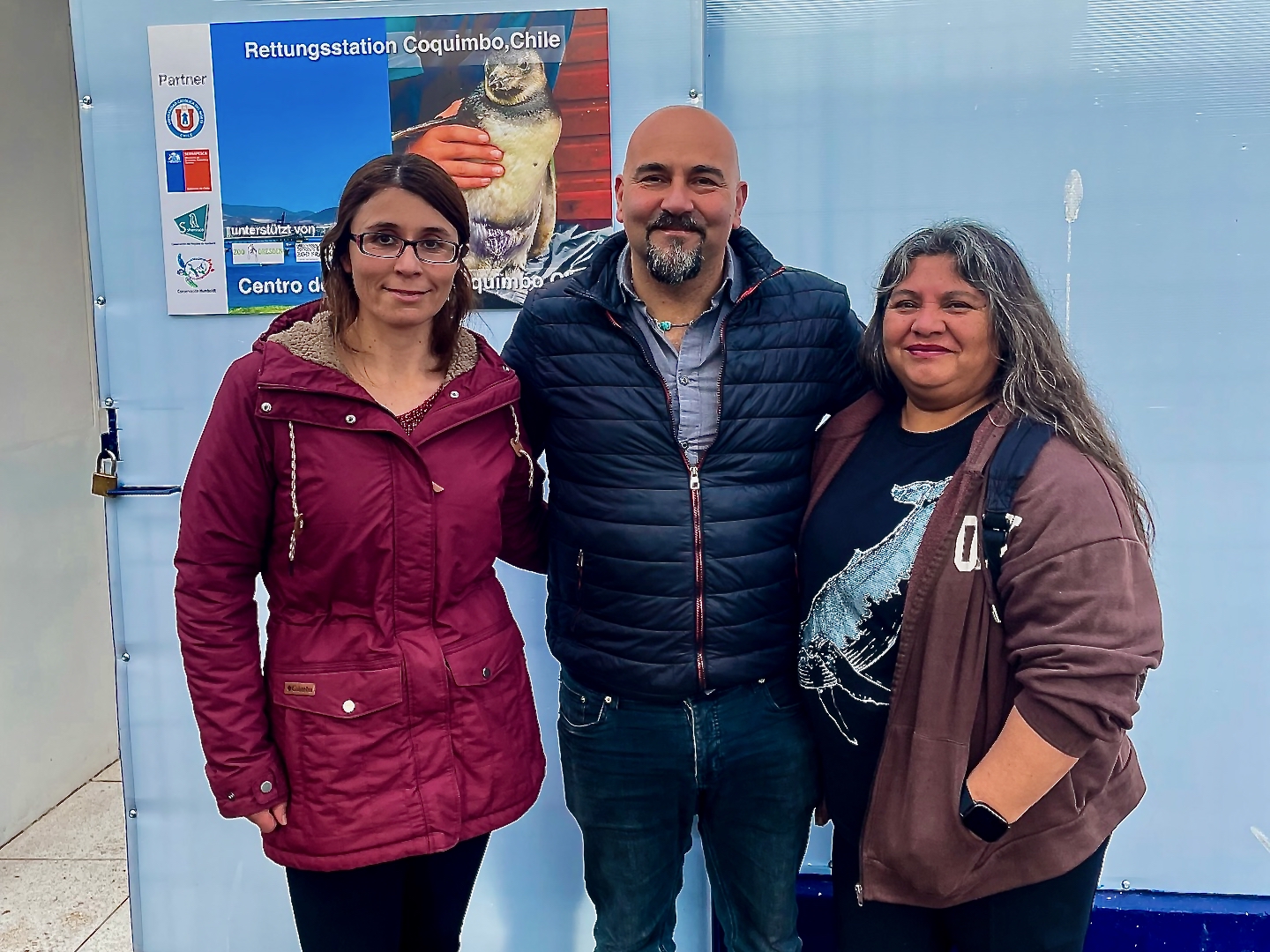
The official inauguration of the station in December 2025 on the Guayacán campus of the Universidad Católica del Norte marked a significant milestone. The event generated considerable interest. Representatives from key local and academic institutions, as well as from Sernapesca (2), attended. Thanks to extensive media coverage, including by Televisión Nacional de Chile (TVN), the Mega television network, Deutsche Welle, RTL, and the daily newspaper Diario, the station’s work gained recognition at the regional, national, and international levels and was able to establish itself as an example of best practice.
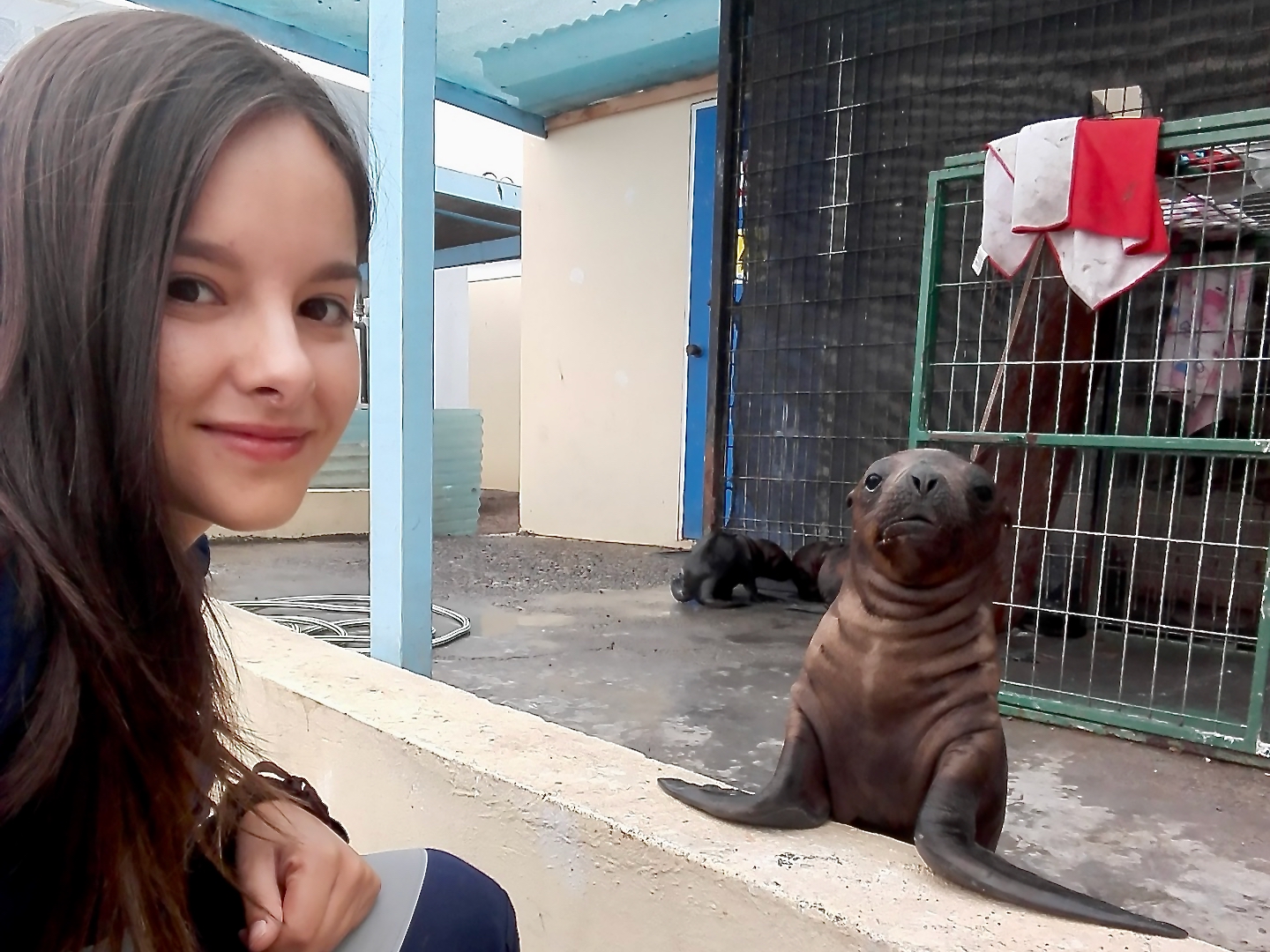
During the reporting period, various species, including Humboldt penguins, sea lions, fur seals, and olive ridley sea turtles, were treated. The center handled both minor cases that were quickly released back into the wild and more complex traumatic medical conditions. In severe cases, stabilization, clinical interventions, diagnostic support, and long-term follow-up care were required. These challenges strengthened the treatment team’s ability to respond to a diverse range of conditions and to professionally align interventions with animal welfare and the outcomes of rehabilitation.
As mentioned, collaboration with external institutions and experts has been expanded. Through cooperation with Sernapesca (2), Fundación Mundo Mar (5), Universidad del Alba (6), and supporting specialists, diagnostic and therapeutic options were expanded, transfers were facilitated, and measures were jointly evaluated. This cross-institutional collaboration also helped establish the station as part of a network for the protection of marine fauna.
During the reporting period, infrastructure and operating conditions were also improved. For example, parts of the care area were renovated, tanks and outdoor areas were painted, and the freshwater and saltwater supply systems were upgraded. (...)
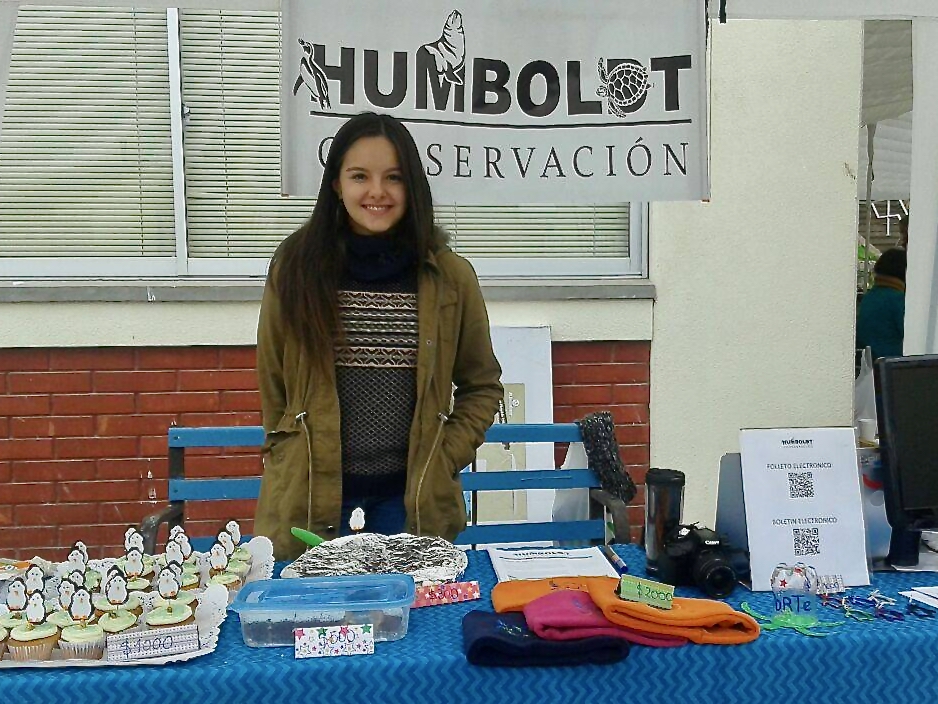
In addition to clinical and surgical work, the team was involved in environmental education and scientific research with the goal of raising awareness about the rehabilitation of marine animals and promoting nature conservation. The NGO Conservación Humboldt is particularly proud of its first scientific publication. In collaboration with the Universidad del Alba (6), an article was published on trematode-associated renal lesions (7) in Humboldt penguins. The publication expands knowledge regarding the medical care of Humboldt penguins and improved internal clinical protocols, particularly with regard to deworming.
Expenditures for the animal rescue center remained within the budget. The allocated funds were used for regular operations, primarily for personnel costs, but also for food, clinical supplies, and operating materials, as well as for improvements to the infrastructure. Deviations in individual items are primarily attributable to the fluctuating number of animals admitted and the variable nature of clinical requirements, which directly affect the consumption of medications, medical supplies, and other variable costs. Overall, however, expenditures are below the budgeted amounts.
The station consolidated its operations during the reporting period. It is able to combine specialized clinical care, rehabilitation, infrastructure improvements, environmental education, professional collaboration, and scientific research. (...)
This development is increasingly positioning the Conservación Humboldt Rescue Station as a solid platform dedicated to the protection of marine fauna in Chile.”
W.K.
Notes
For the sake of readability, the generic masculine form is used in this article. Unless otherwise indicated, the terms used to refer to people in this article apply to all genders.
(1) Universidad Católica del Norte (UCN). Eng. Catholic University of the North in Coquimbo, northern Chile.
(2) Sernapesca. Servicio Nacional de Pesca y Acuicultura. Eng. National Service for Fisheries and Aquaculture.
(3) The NGO Conservación Humboldt is dedicated to the conservation of marine life and operates the rescue station on the grounds of the Catholic University of the North in Coquimbo.
(4) NGO Conservación Humboldt. Financial report for the period December 2025 through March and April 2026.
(5) Fundación Mundo Mar is a nonprofit foundation with the objective of preserving marine fauna through various measures, primarily through medical care.
(6) Universidad del Alba is a private, for-profit Chilean university based in Santiago. It was founded in 2006.
(7) Trematode-associated kidney lesions are tissue damage to the kidneys caused by an infection with flukes (trematodes)
translated by Angelika Veelken using/reviewing deepl.com