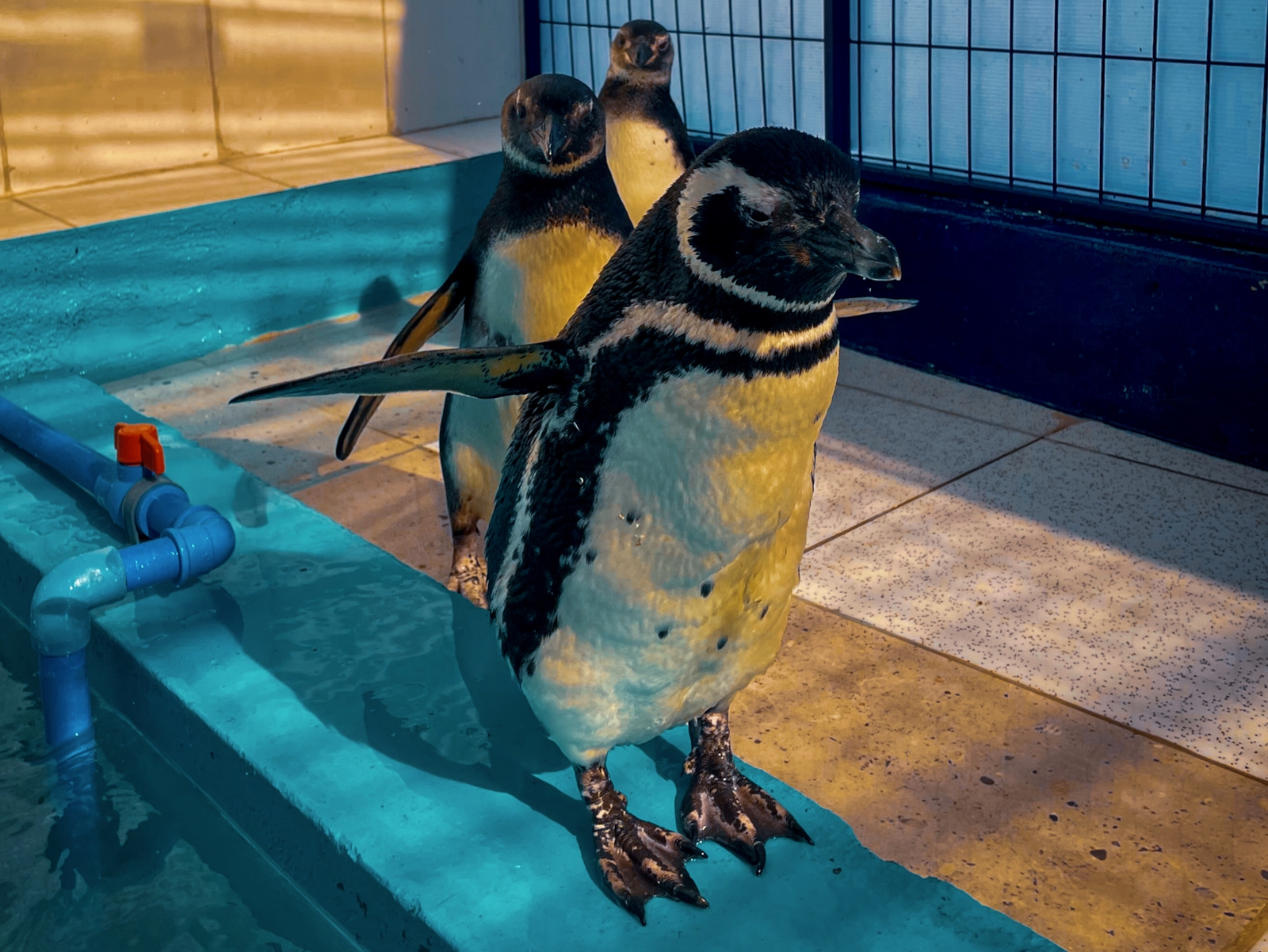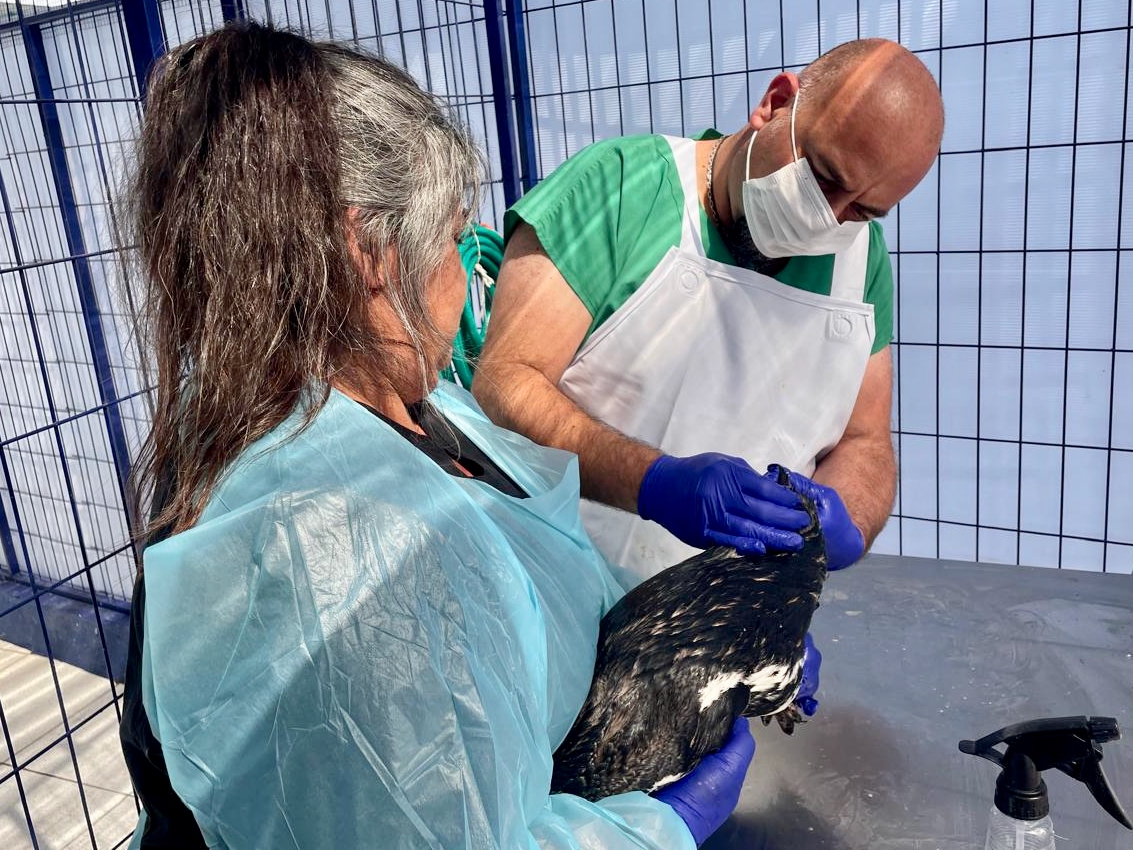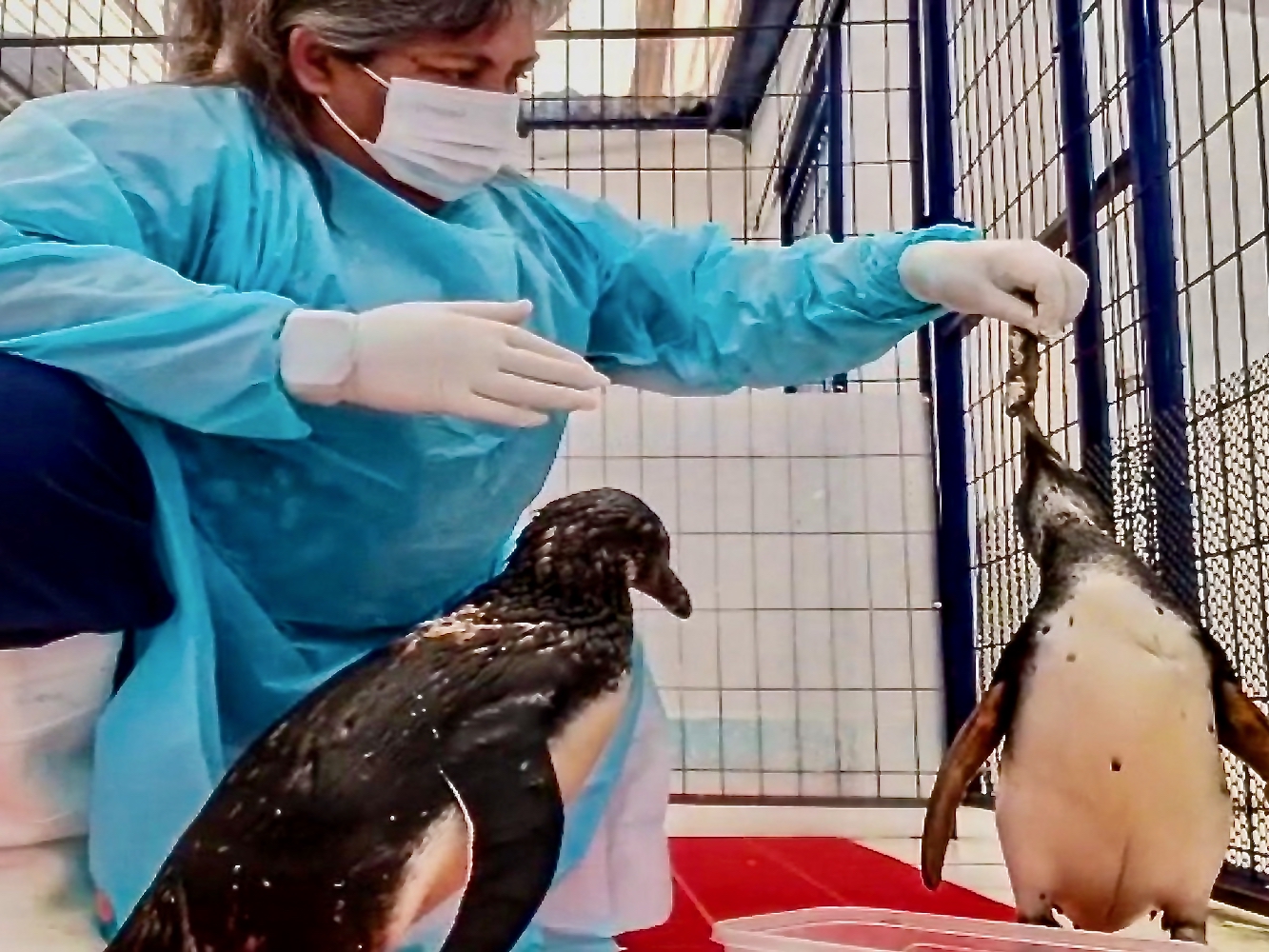
La Serena, December 6, 2025. The rescue center operates at the Universidad Católica del Norte (UCN) and is the only one in the Small North region. Non-governmental organizations, Sernapesca, and the UCN made the renovation and reopening possible. At the center, birds and animals are treated by specialists. The center had been closed due to a lack of resources.
On the grounds of the Faculty of Marine Sciences at the Catholic University of the North (UCN), Sernapesca, the NGO Sphenisco, and the NGO Conservación Humboldt opened a new station for the rehabilitation of hydrobiological species. The station was completely renovated and optimized with the following objectives in mind:
- To accept more marine animals for rehabilitation,
- To improve clinical and diagnostic processes, and
- Promote environmental education, scientific research, and the training of students and professionals.
The project is considered a milestone for the region and the operation of the station. It had been in operation since 2012 but had to close due to a lack of funding, equipment, and professionals. Thanks to the financial support of the NGO Sphenisco, the zoos in Dresden, Frankfurt, and Halle, the professional work of Conservación Humboldt, the logistics of Sernapesca, and the support of the UCN, the rescue station has been reborn. Its reactivation will make it possible to treat injured and sick birds, mammals, and marine reptiles at a high level.
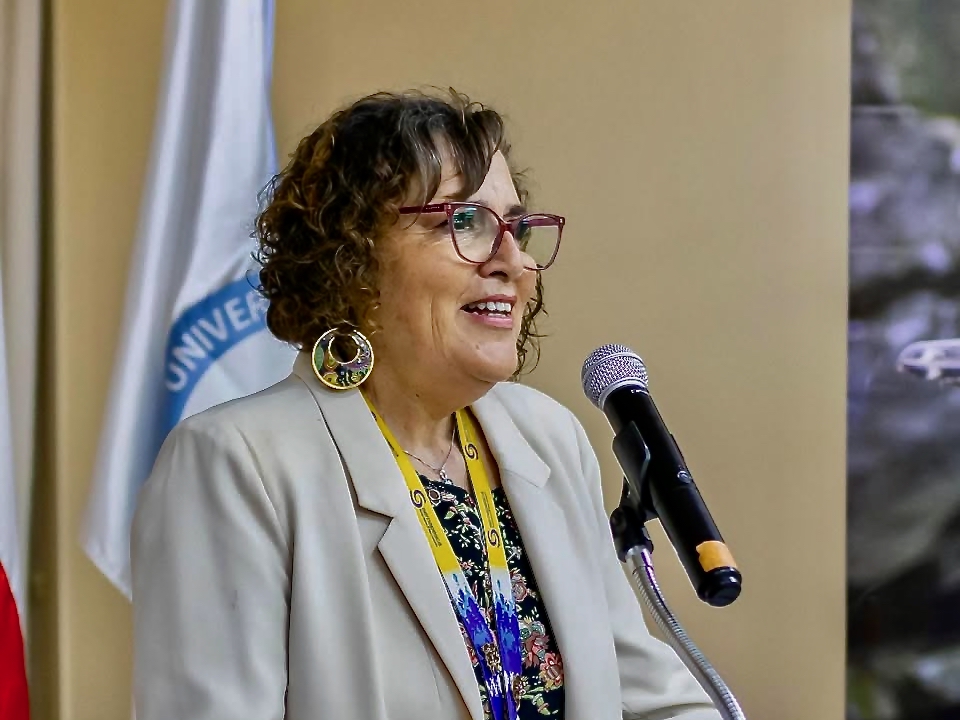
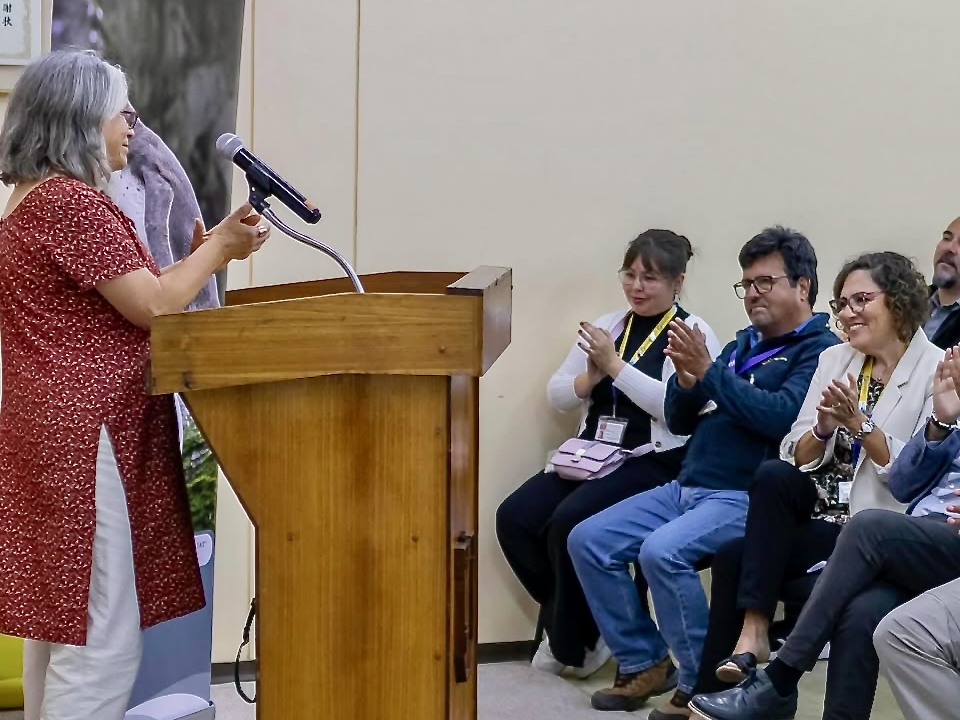
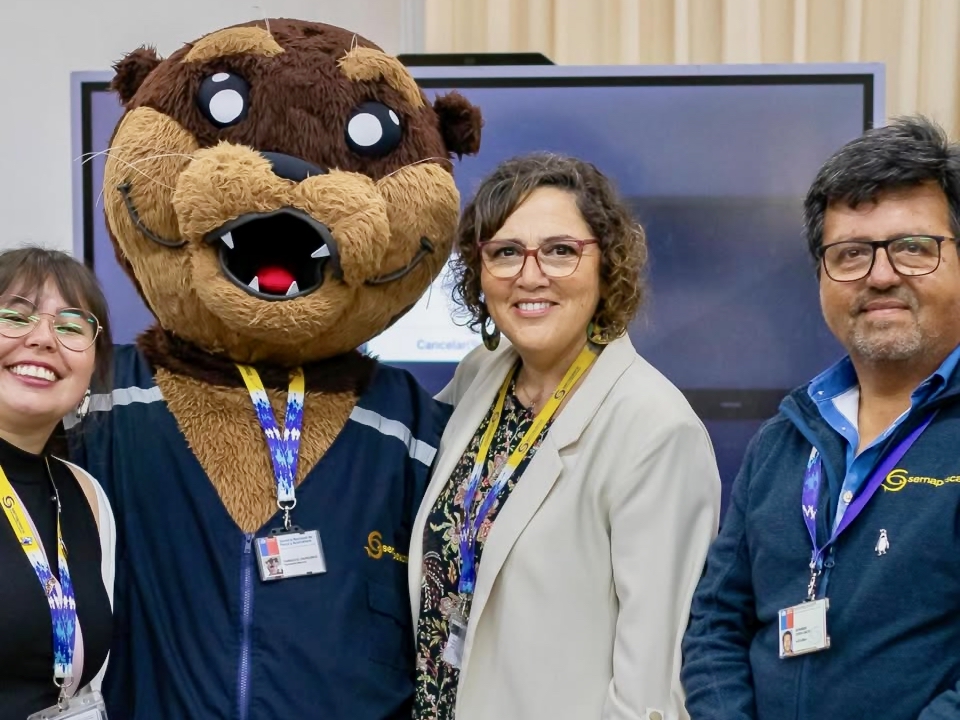
The official opening on December 5 was attended by authorities and representatives of the cooperating institutions (2). At the beginning, a video (3) was shown about the renovation process and the importance of the station for marine conservation.
The mayor of La Higuera, Uberlinda Aquea, emphasized the importance of cooperation between several organizations in the rehabilitation of animal species, “it gives us hope. The most important thing is that there are people who care about the protection and coexistence of our fauna, environment, and community,” she said.
The mayor of La Higuera, Uberlinda Aquea, emphasized the importance of cooperation between several organizations in the rehabilitation of animal species, “it gives us hope. The most important thing is that there are people who care about the protection and coexistence of our fauna, environment, and community,” she said.
Tomás Pino Damke, president of the NGO Conservación Humboldt, called the station excellent news for the region, for the entire area of the Small North: "The station is also extremely important because there is no rehabilitation center in this region. The advantage now is that no wild animals need to be taken from here to Antofagasta or from here to the Valparaíso region," he said, adding that this goal has been achieved because the station is able to play a very important role in the rehabilitation of animals that strand in this area. “We must remember that we are the rescue station closest to the Humboldt Archipelago, a priority conservation area,” he said. Regarding its operations, he explained that they are mainly based on receiving animals rescued by the National Fisheries Service, which is responsible for their rescue. "We then carry out medical diagnostics and treat the animals with the help of a team of specialists so that they can return to the sea. We give the animals a second chance." He went on to say that the station is functioning well, the level of work has been improved, and a solid team has been formed to carry out the tasks at hand. This made it possible to release animals back into the wild two weeks ago, a seal of approval for the entire process, as it proved and demonstrated that the work is valuable and effective.
Enzo Bonilla, project manager at the Faculty of Marine Sciences at UCN, pointed out that it is very important for the university to support such initiatives. "The collaboration between Sernapesca, NGOs, and the university has been going on for a long time. The actual renovation of the rescue center was hard work. We as a university are happy to participate in this initiative to achieve such an important and beautiful goal as protecting the biodiversity of our region," he emphasized.
Gerardo Cerda, head of the Department of Nature Conservation and Biodiversity at Sernapesca, Coquimbo Region, explained that the restoration of the rescue center was the result of the persistent work of many people. He emphasized that this work is not only for the animals, but also “for us, because in order to stay healthy, we need to be surrounded by animals that are healthy.”
W.K:
notes
For better readability, the generic masculine form is used in this article. Unless otherwise indicated, the terms used in this article refer to all genders.
(1) The article “Inauguran remodelado centro de rehabilitación de especies marinas” (English: “Renovated marine animal rehabilitation center inaugurated”) appeared on December 6, 2025, in the print edition of El Día, a Chilean newspaper for the Coquimbo region based in La Serena.
The article was translated using the free version of deepl.
The article was published by the NGO Conservación Humboldt on its Facebook account. “We are very proud that these efforts are reaching the entire community through such an important regional media outlet. ... Thank you to everyone who believes in this project and the recovery of our marine fauna.”
(2) A school class from the municipality of La Higuera also took part in the opening. This municipality is home to the Humboldt Archipelago, a hotspot of biodiversity.
(3) Video “Centro de Rehabilitación de Fauna Marina.” The video was produced by Fundación Sphenisco Chile.
https://www.youtube.com/watch?v=v658kS-UK0k
translated by Claudia Fawer