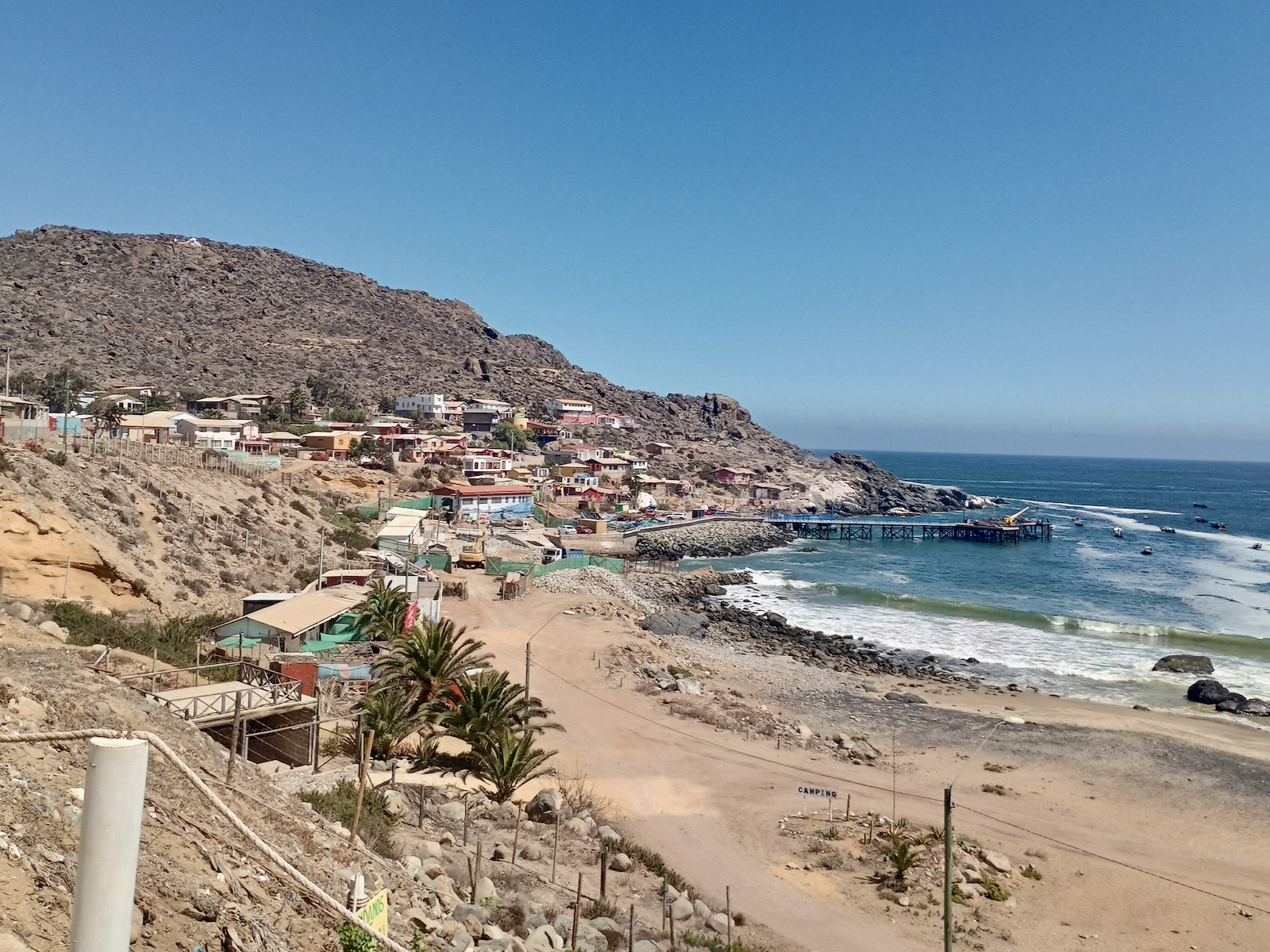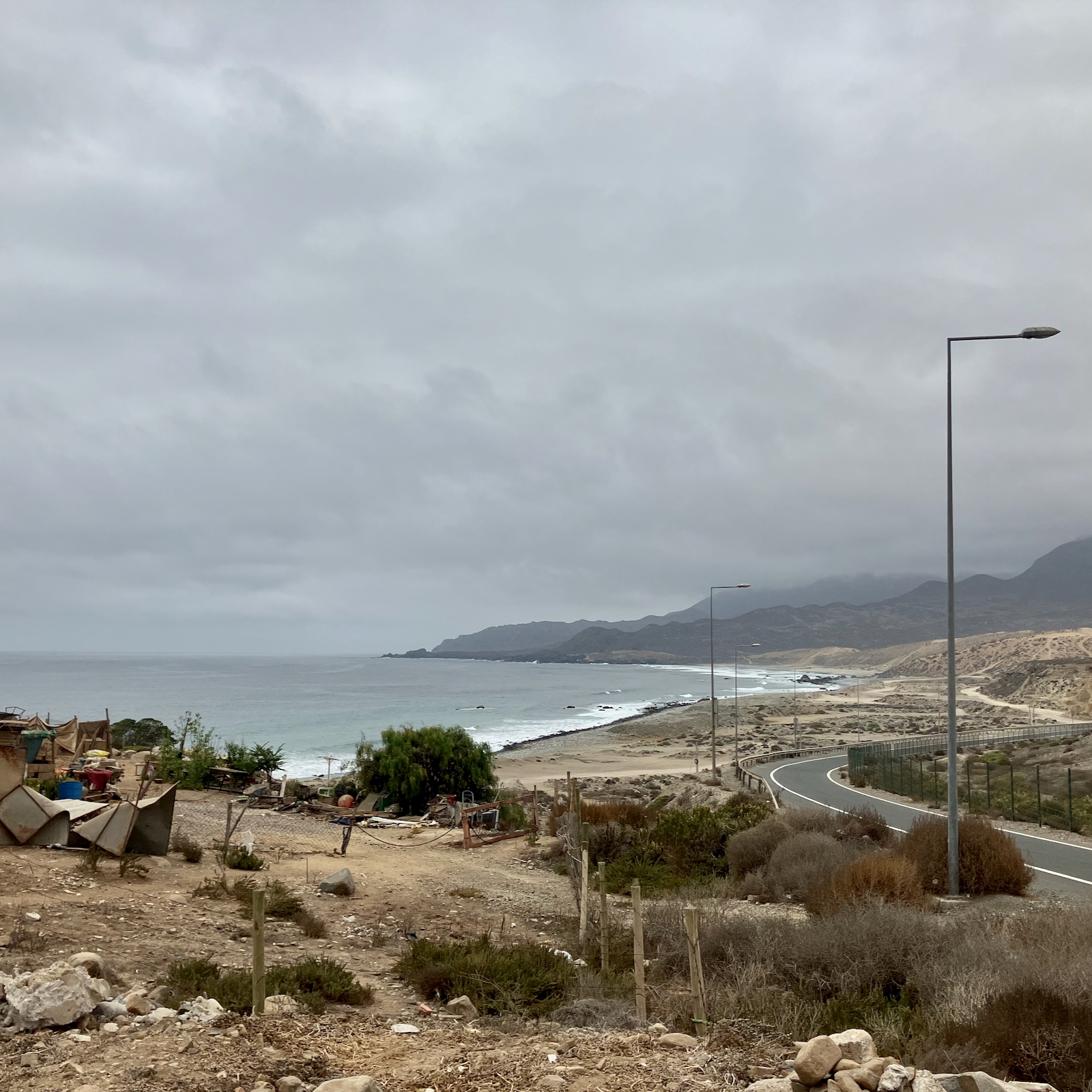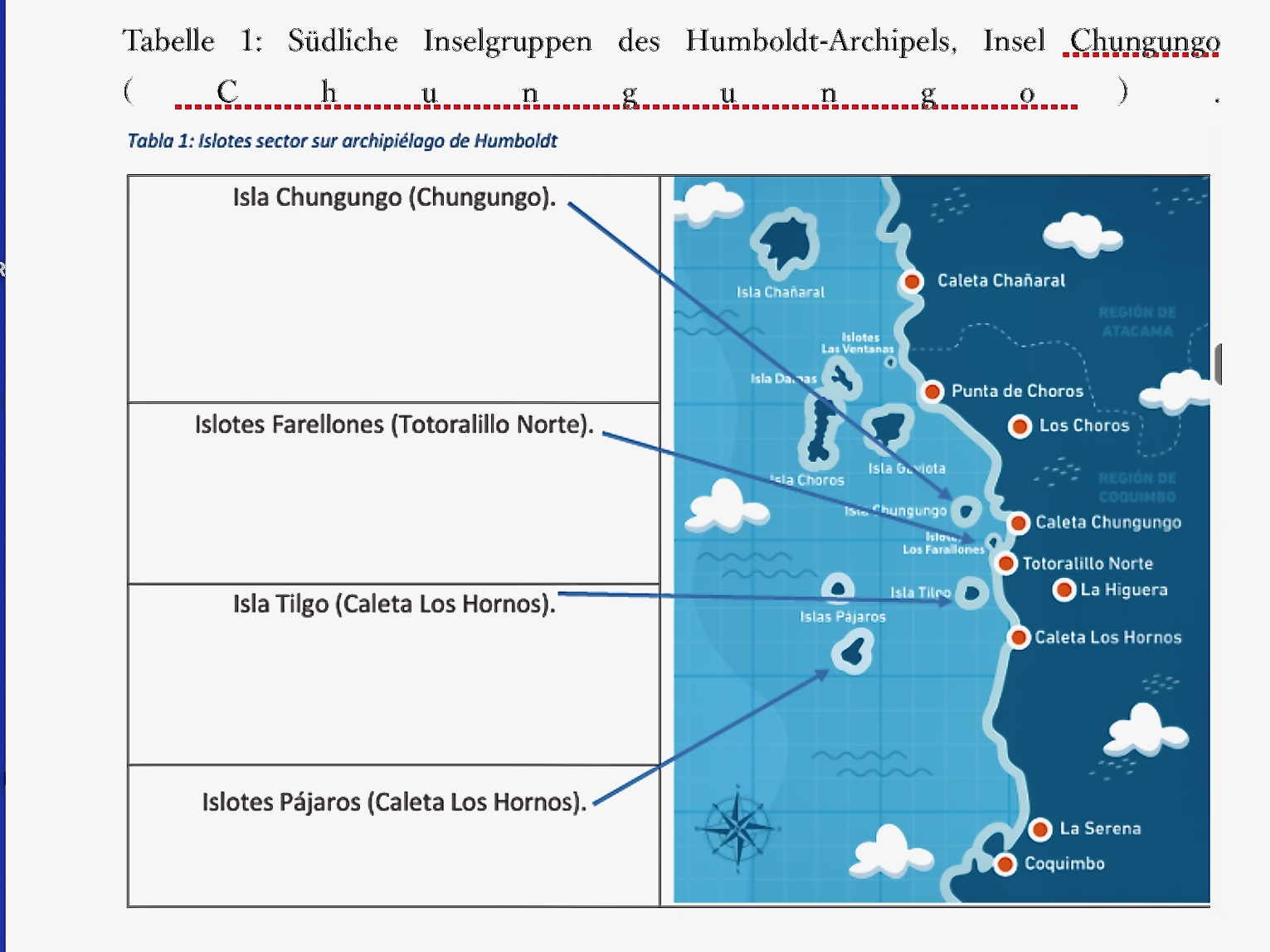
Landau, February 12, 2026. For five years, Movimiento Ambiental Camanchaca (1) has been committed to environmental protection in the municipality of La Higuera. The non-profit organization is based in the coastal village of Caleta Los Hornos and aims to protect the Humboldt Archipelago from exploitation and promote environmental awareness, sustainable development, and ecotourism. Camanchaca's main goal is to strengthen research, nature conservation, and tourism in the southern part of the municipality, as this area has been neglected in the past. The environmental group is a member of the Humboldt Coquimbo–Atacama Alliance (2) and is very active in the Corporación Turismo Sostenible de La Higuera (3). It is currently represented by Marcelo Alejandro Villalobos S..
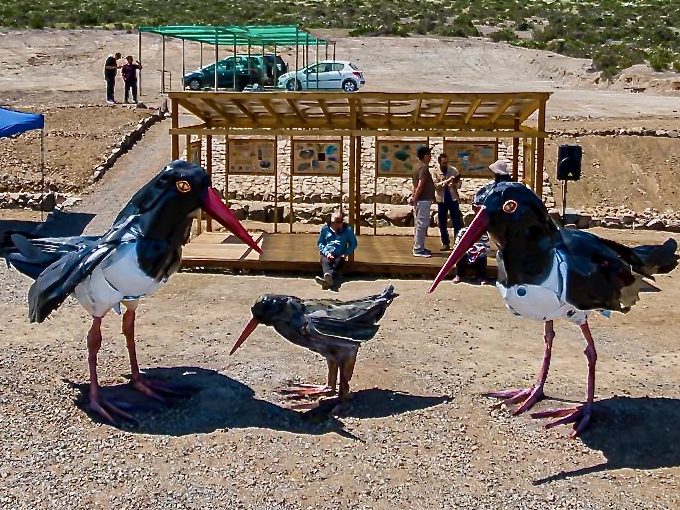
Camanchaca is currently implementing a project to protect the Chungungo (4). The environmental group also plans to erect a large Humboldt penguin sculpture in Caleta Los Hornos. The model for the project is the sculpture of a Pilpilén family (5) created by artist Alexis Araya for the Yerba Buena Group (6). Camanchaca also wants to commission Alexis Araya for this project and has applied for the necessary funds from an American foundation. The environmental group currently employs four environmental supervisors as part of a temporary employment program. They remove trash from beaches and mark tourist routes. The program is funded by CONAF (7) and supported by the municipality of La Higuera.
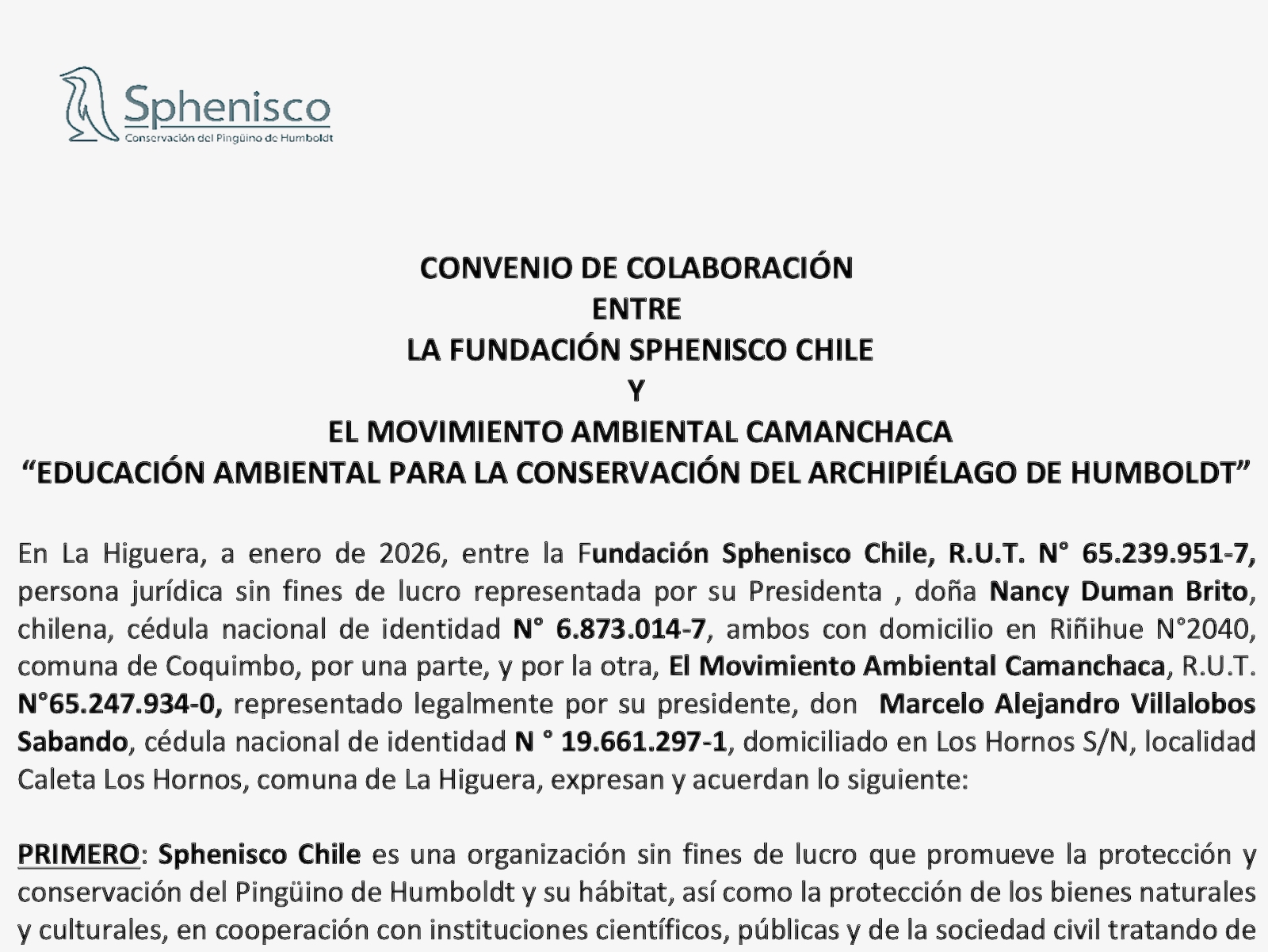
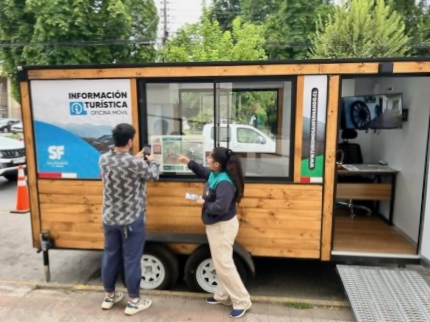
The Fundación Sphenisco Chile has continuously accompanied and supported the activities of “Camanchaca.” Now, both organizations want to conclude an agreement on the protection of biodiversity, environmental education, and the promotion of sustainable fishing and tourism (8). The central focus of the agreement is the construction and operation of a mobile office for the environment, culture, and ecotourism, called Pingüi móvil (9). The office will be used to provide information to fishermen and farmers, divers and shellfish gatherers, tourists and those working in tourism, as well as schoolchildren and students. The Pingu Mobil will be installed on a 4-meter-long and 2.3-meter-wide trailer. Its design is inspired by the Humboldt penguin, which gave the entire project its name. The mobile office is equipped with modern technology, educational and technical information materials, and is used in schools, at trade fairs, festivals, and workshops in various locations in the municipality of La Higuera. Its base location is at the Caleta Los Hornos tourist center. The Pingu Mobil project is sponsored by the Zoo am Meer Bremerhaven.
W. K.
translated by Claudia Fawer
notes
For better readability, the generic masculine form is used in this article. Unless otherwise indicated, the terms used in this article refer to all genders.
(1) Camanchaca environmental movement.
Camanchaca also refers to marine cloud banks that form on the Chilean coast near the Atacama Desert and move inland.
(2) The Humboldt Coquimbo–Atacama Alliance is a network of over 100 national and international organizations. The alliance's goal is to protect the Humboldt Archipelago from destruction by projects such as Minera Dominga and Puerto Cruz Grande.
(3) English: Corporation for Sustainable Tourism, La Higuera.
(4) Chungungo. Chilean name for the coastal otter (Lontra felina), a rare species of marten.
(5) Pilpilén. Name for the brown-mantled oystercatcher (Haematopus palliatus), a species of the oystercatcher family native to North, Central, and South America.
(6) Articles “InfoPoint Yerba Buena – Opening” from October 16, 2025, and “InfoPoint Yerba Buena – Information” from October 23, 2025.
(7) CONAF. Corporación Nacional Forestal. English: National Forestry Corporation, Chilean forestry authority.
(8) Educación ambiental para la conservación del archipiélago de Humboldt. English: Environmental education for the conservation of the Humboldt Archipelago, dated January 22, 2026.
(9) Pingüi móvil. English: “Pingu Mobile.” “Pingüi” (“Pingu”) is a common nickname for ‘pingüino’ (“penguin”).