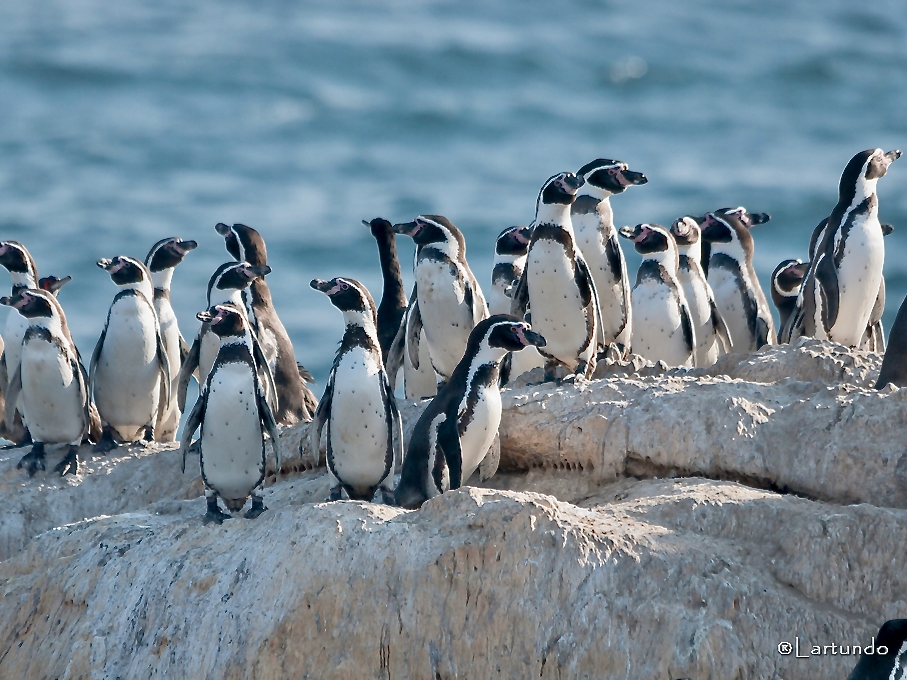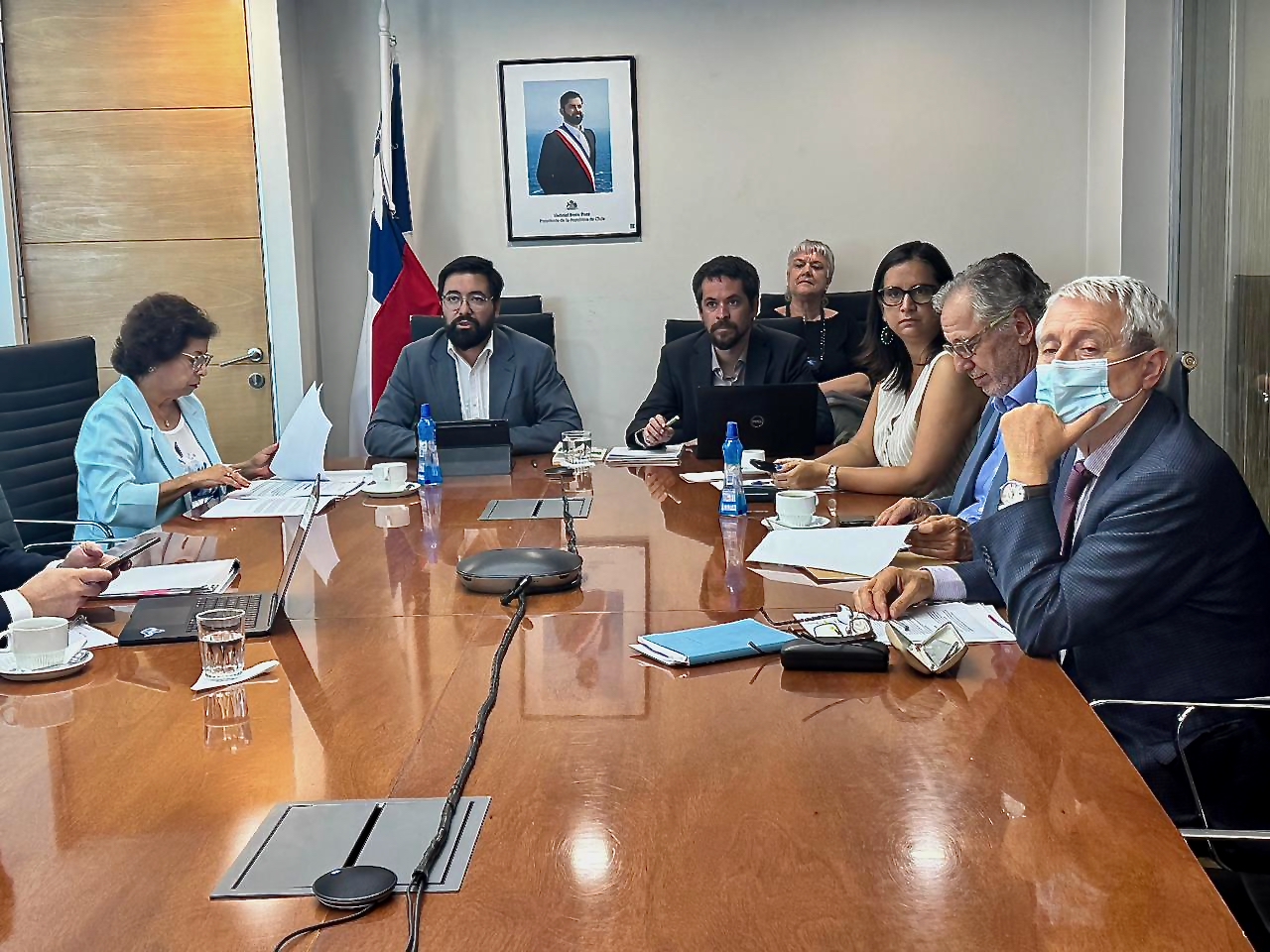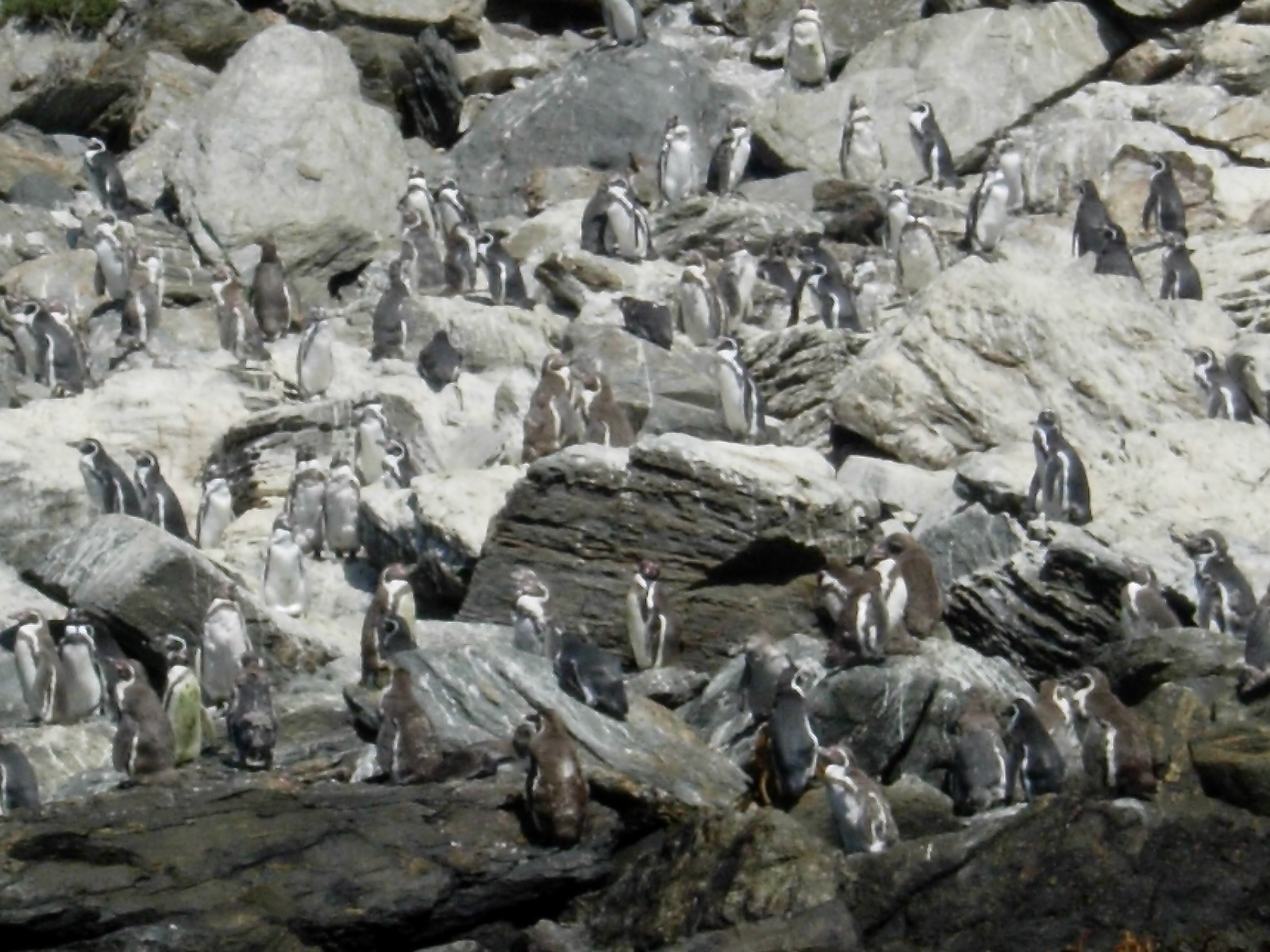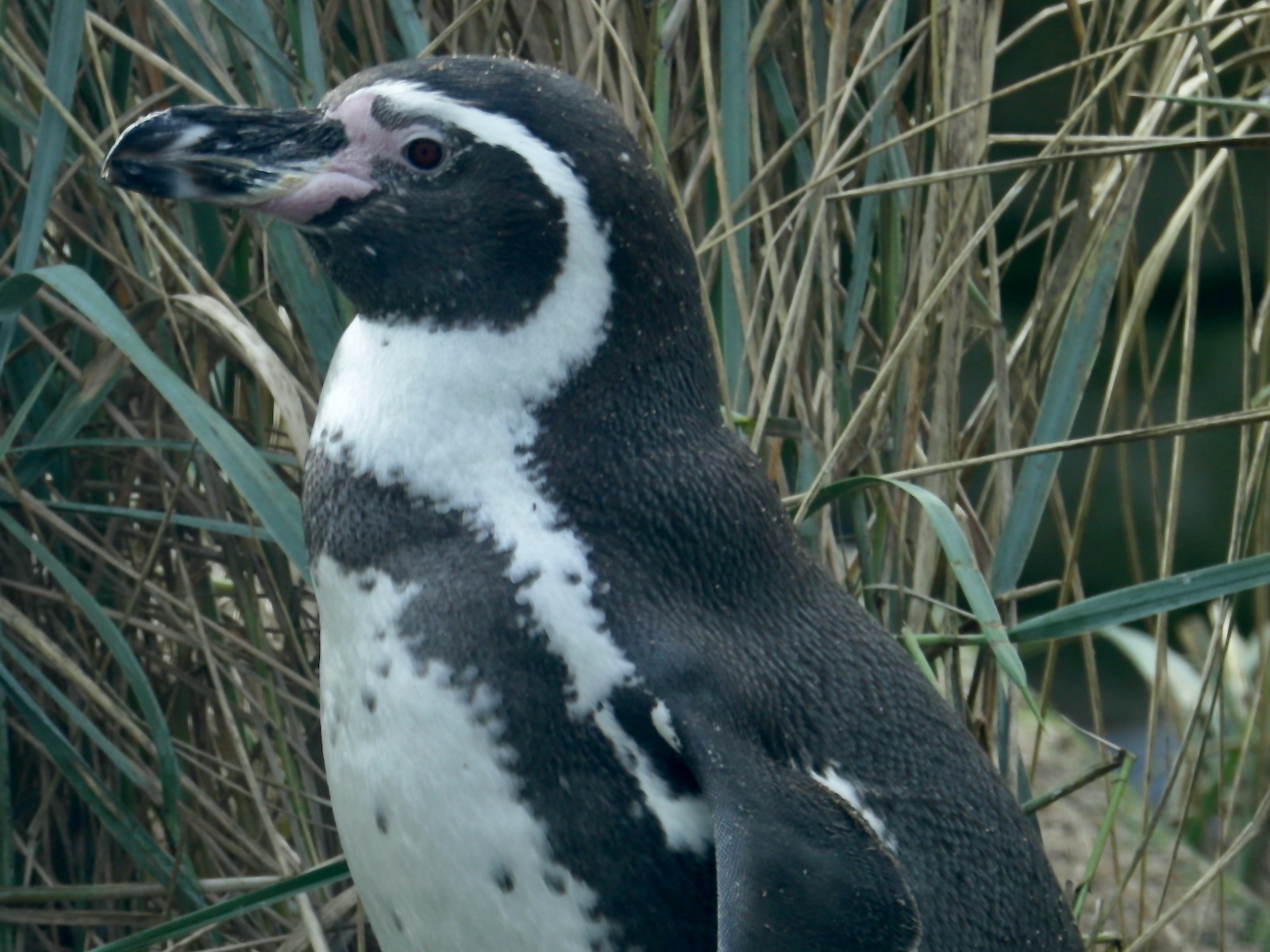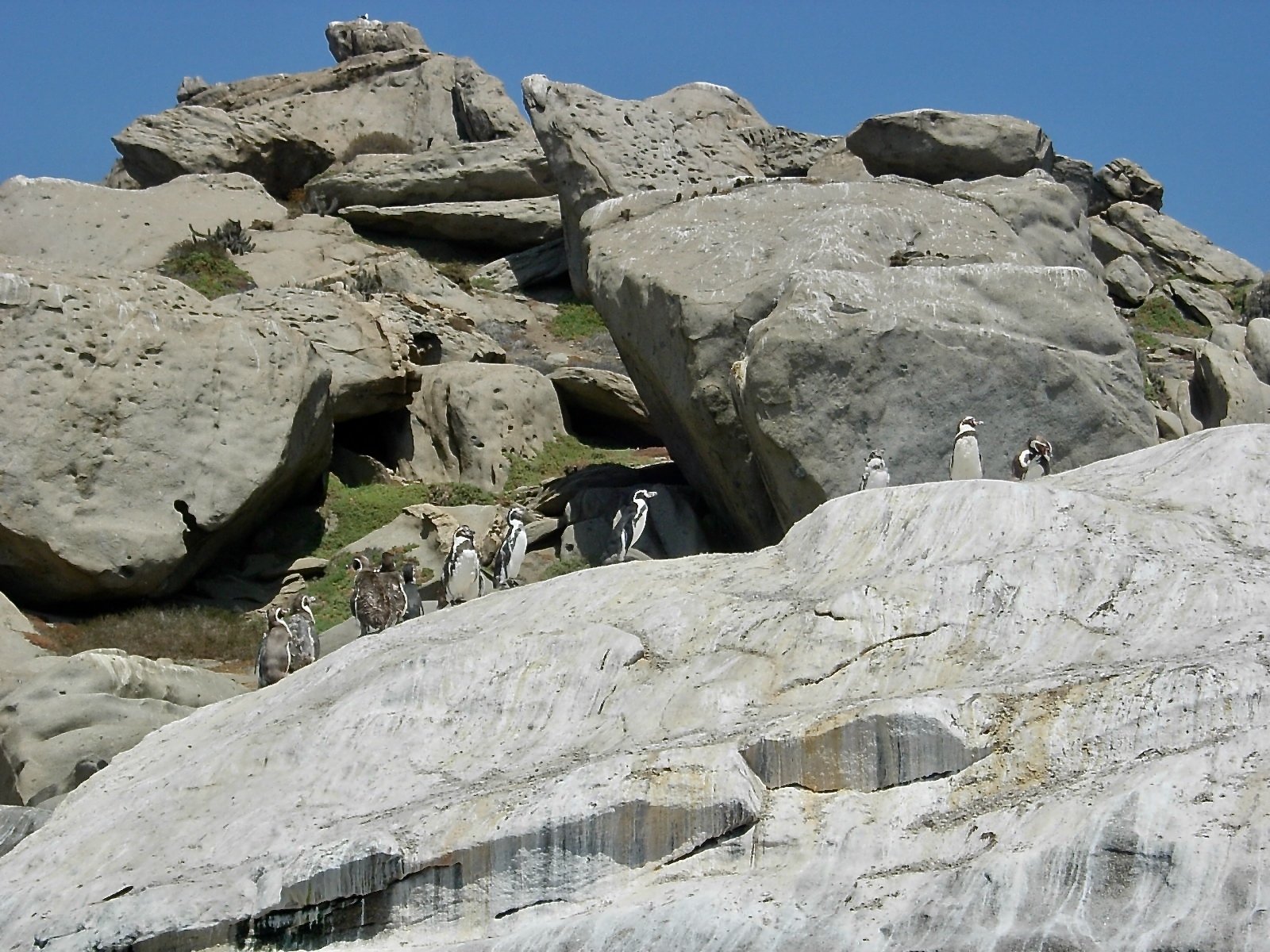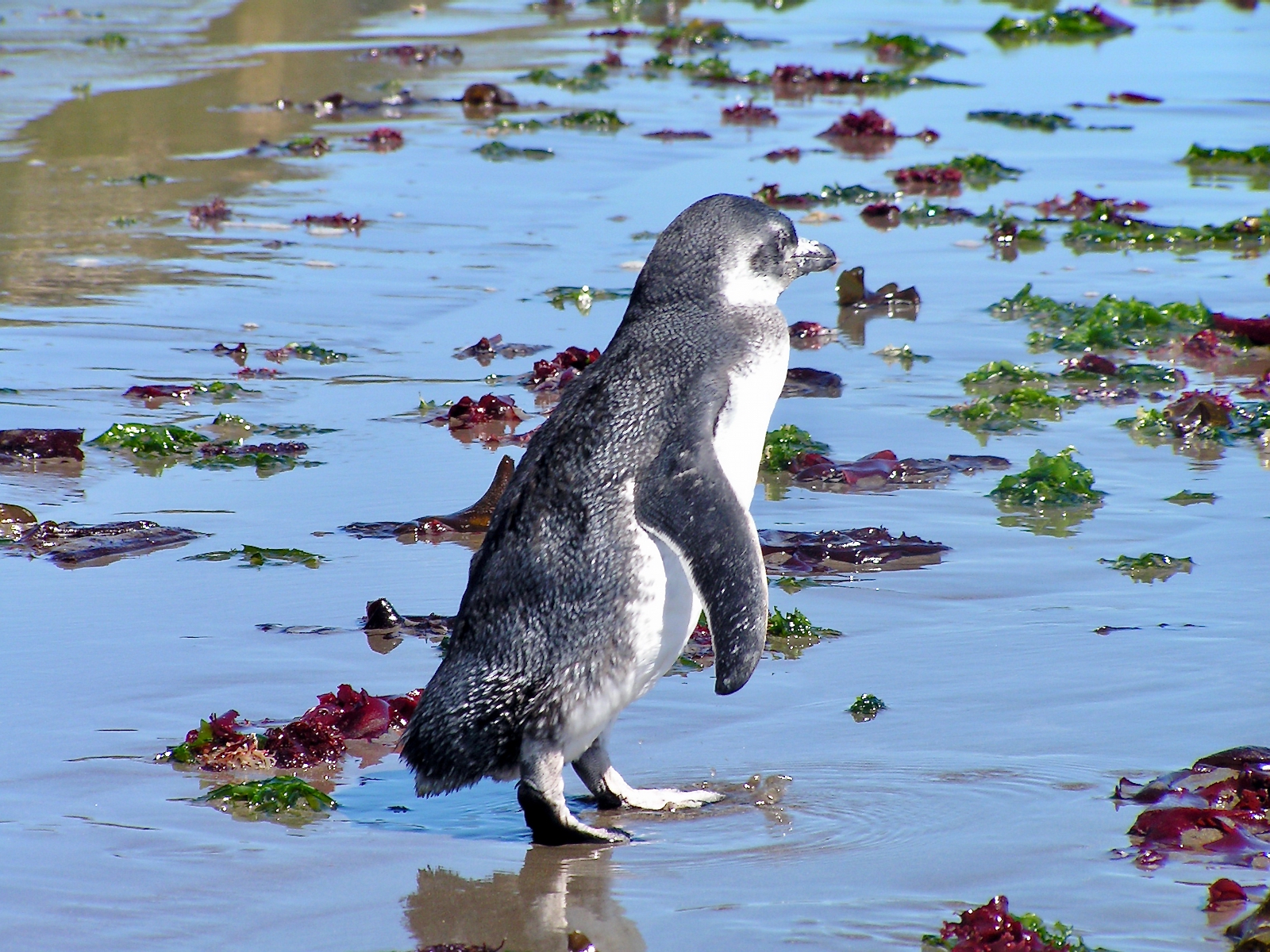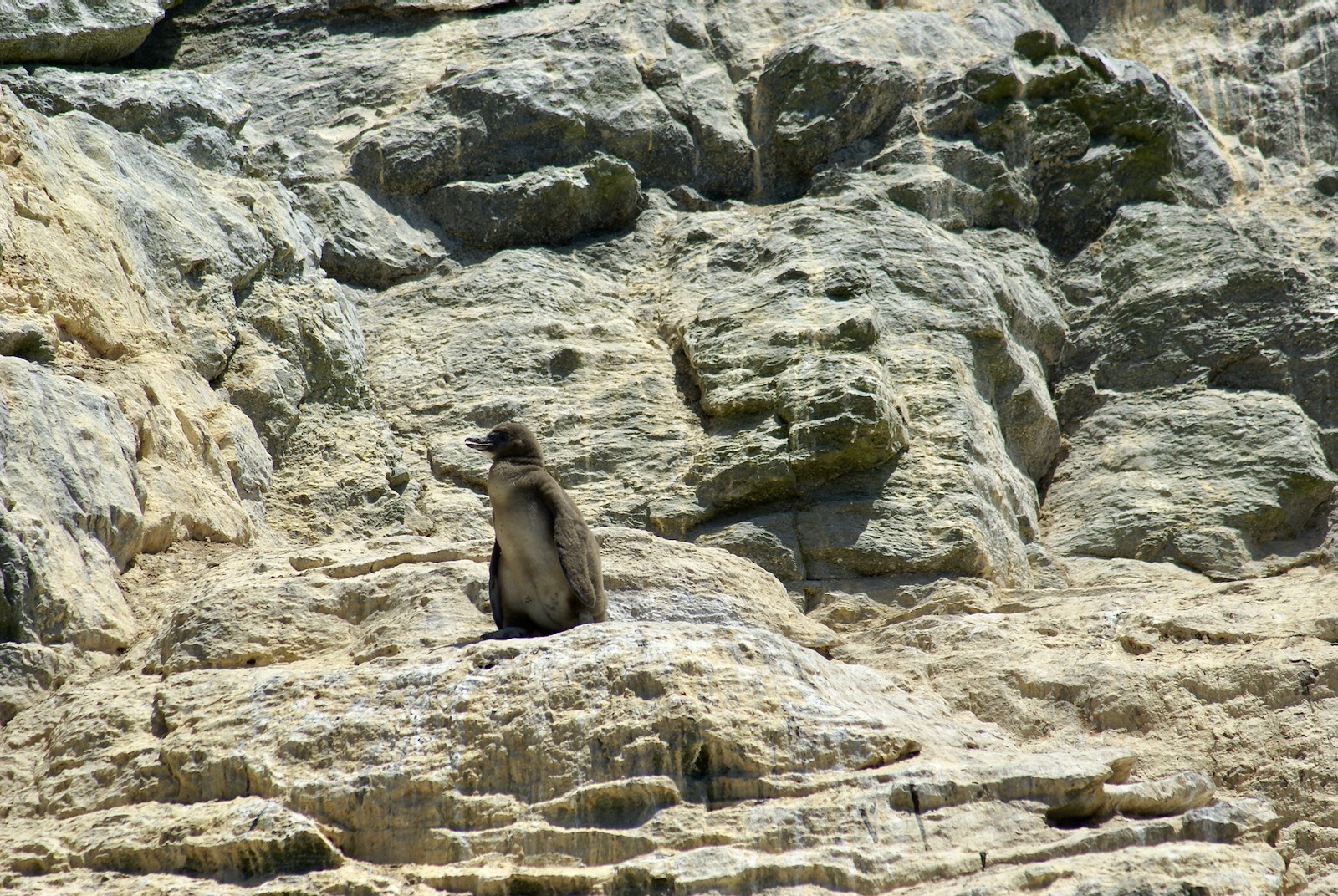
Landau, February 16, 2026. Civil society groups – including Fundación Chile – and scientists in Chile have achieved a major success in saving the Humboldt penguin. The declaration of the Humboldt penguin as a natural monument (1) marks a milestone in the conservation of biological diversity in Chile. On February 13, 2026, the Chilean Ministry of the Environment published the decision:
The Council of Ministers declares Humboldt penguin a natural monument to increase its protection
... The Council of Ministers for Sustainability and Climate Change agreed ... to declare the Humboldt penguin (Spheniscus humboldti) a natural monument. This classification protects the endemic bird of the Humboldt Current throughout the national territory, both in terrestrial and marine areas, regardless of whether it is located inside or outside protected areas.
Maximiliano Proaño, Undersecretary for the Environment, who chaired the meeting of the Council of Ministers, emphasized that "the decision is an important step forward in protecting this endemic and emblematic species, which is currently classified as 'critically endangered'. The declaration as a natural monument provides additional resources to preserve the Humboldt penguin." The authority emphasized that the decision-making process required public participation, "which resulted in approximately 9,000 comments and and contributions. That is a record for this type of process. The vast majority of comments enriched the original proposal and supported the initiative."
The new status prohibits, among other things, disturbing, capturing, mistreating, injuring, or killing Humboldt penguins. Exceptions are only permitted in the context of scientific research or government inspections. ... Chile is home to the largest part of the breeding population of this penguin species and is therefore directly responsible for its survival.
During the last species classification process, it was decided to raise the conservation status of the Humboldt penguin from “vulnerable” to “endangered.” The decisive factors for this decision were the continuing decline in population and a variety of threats, such as problematic interactions with fisheries, loss and disturbance of breeding sites, the existence of invasive species, and the effects of climate change.
The decision is based on comprehensive scientific evidence that substantiates the high aesthetic, historical, and scientific value of the Humboldt penguin and attests to the need to strengthen conservation measures to ensure its long-term survival. (2)
The Fundación Sphenisco Chile commented on the decision on Facebook: "The Humboldt penguin is now a natural monument. Today we are taking a big step towards protecting this penguin species. The new status protects the Humboldt penguin throughout Chile, ... What is particularly impressive is how this protection was achieved. Thousands of people and organizations have actively participated in this process ... Nature conservation is also achieved through informed and committed citizens. ...
Declaring Humboldt penguins a natural monument means recognizing their ecological, scientific, and historical value and taking responsibility for their long-term protection. Today we celebrate. Tomorrow we continue our work." (3)
W.K.
Translated with DeepL.com and checked by Angelika Veelken
Notes
For better readability, the generic masculine form is used in this article. Unless otherwise indicated, the terms used in this article refer to all genders.
(1) In Chile, important areas such as the breeding islands of Cachagua and Puñihui, as well as endangered plants and animals, are declared natural monuments. This classification increases the level of legal protection, strengthens security in the event of threats from industry or environmental pollution, and better protects critical areas such as breeding grounds and feeding areas.
(2) Consejo de Ministros declara al pingüino de Humboldt como Monumento Natural para aumentar su protección. English: The Council of Ministers declares the Humboldt penguin a natural monument in order to improve its protection.
(3) https://www.facebook.com/people/SpheniscoChile-Ong/100076356127078/